北海道編 第22章:この景色が残ってほしい
道の駅「阿寒丹頂の里」で朝を迎えた。
釧路周辺には、車中泊用の有料スペースがある道の駅もあった。これからは、こういう形が増えていくのだろうなと思った。
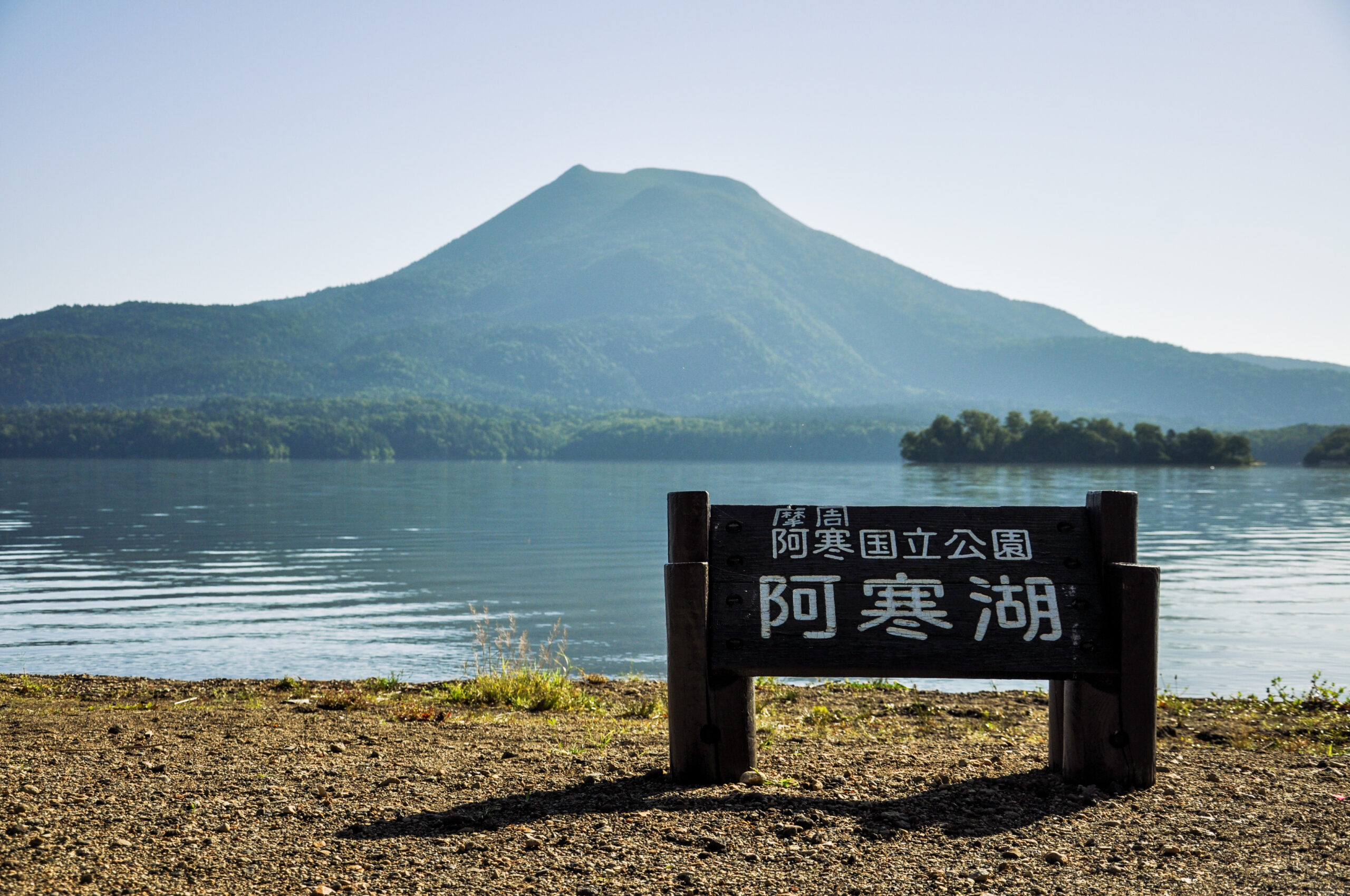
この日は阿寒湖へ向かい、湖畔を歩いた。静かな湖面と、その周りに広がる森を眺めながら、しばらく散策した。
阿寒湖を出発し、釧路湿原へ向かった。細岡展望台から湿原を見渡すと、調停の控室で何度も流れていた映像を思い出した。
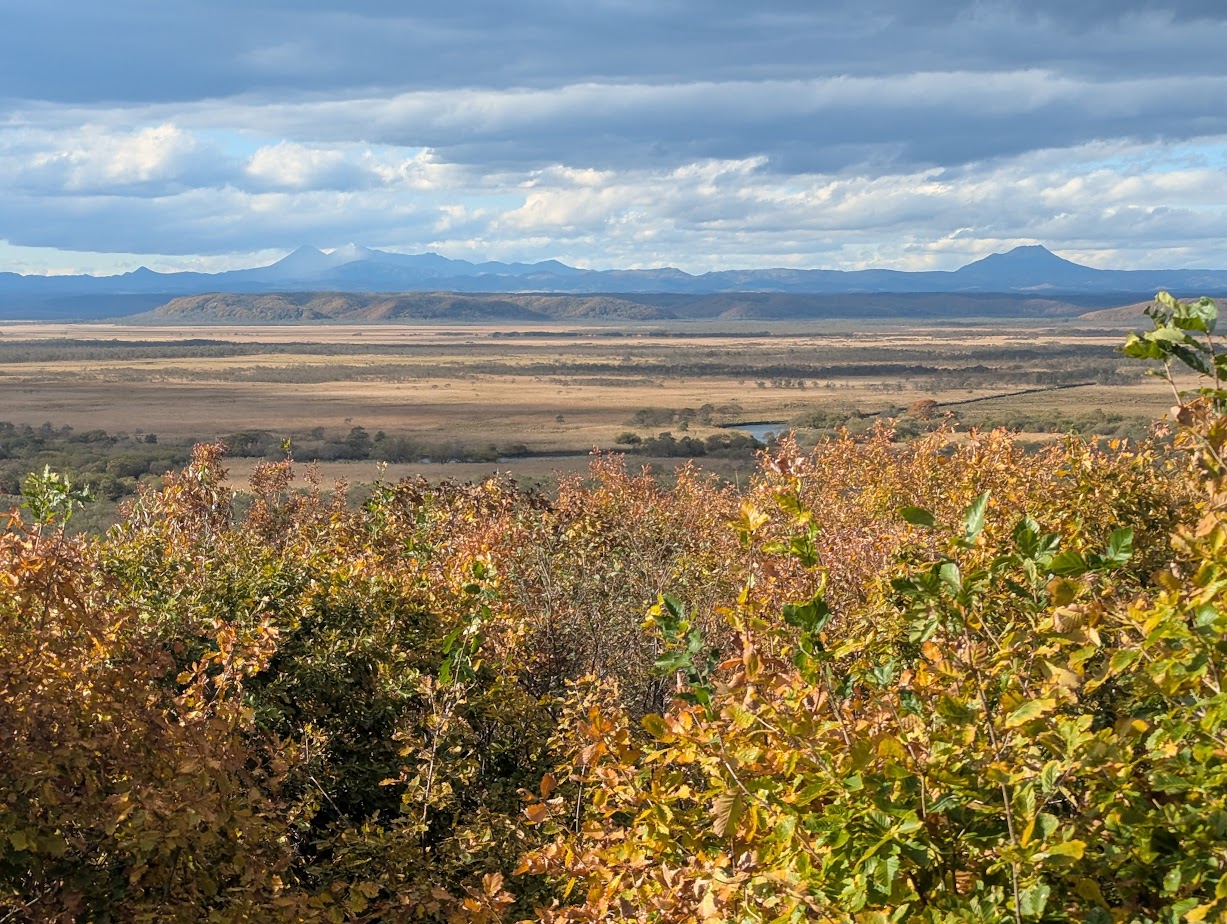
映像は冬の景色で、プロのカメラマンが撮ったようなものだった。目の前の風景とは季節も見え方も違い、すぐに結びついたわけではない。それでも、広がる湿原には、あの映像を思わせる雰囲気があった。
留萌から稚内へ向かうオロロンラインでは、景色の広さからアメリカ大陸を想像した。釧路湿原を見渡していると、今度は「アフリカの原野もこんな感じなのだろうか」と思った。
車で周辺を巡ると、何か所か遊歩道があった。車を降りて歩いてみることにした。
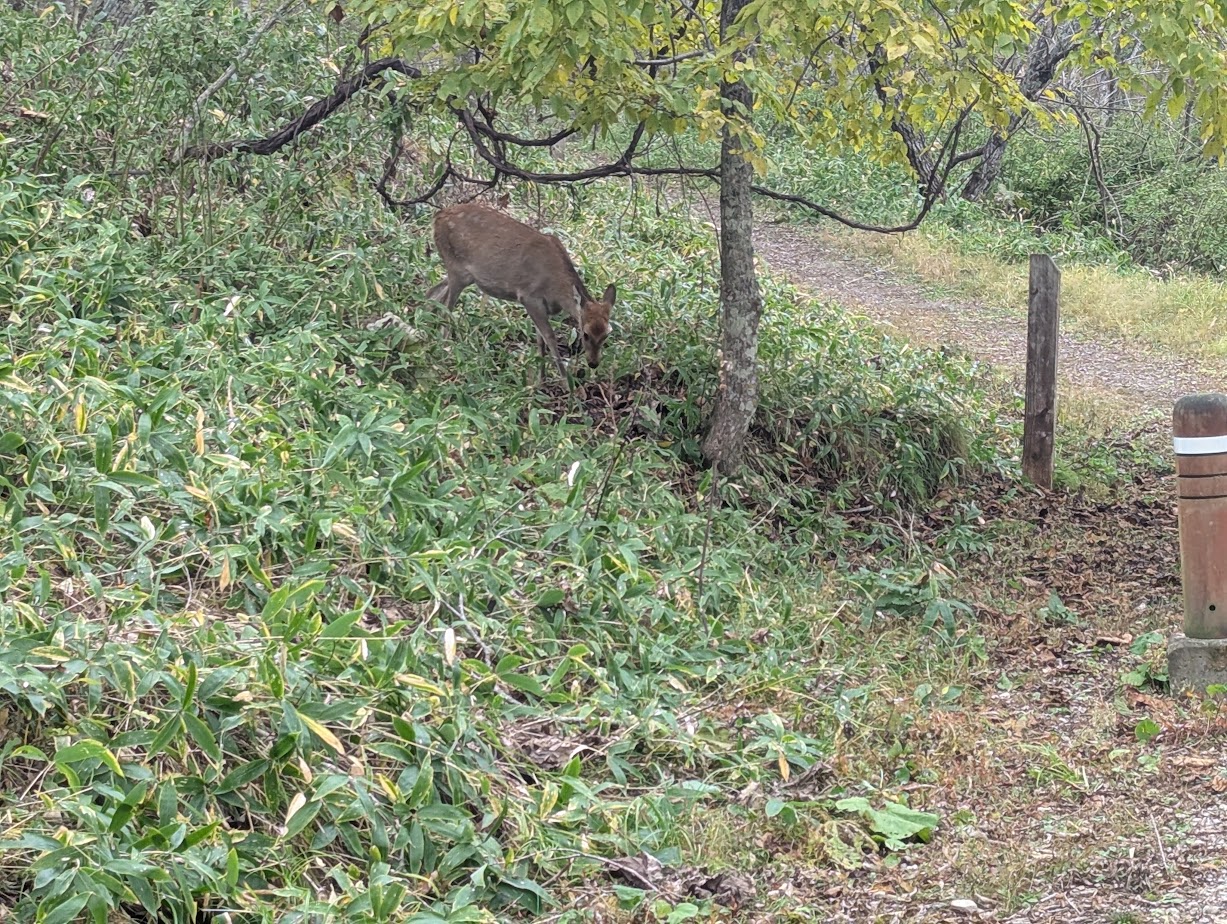
遊歩道では野生のシカを見かけた。知床では熊を見て、ここではシカ。車で走っているだけでは見られないものもある。
湿原の景色を眺めていると、周辺への太陽光パネルの設置をめぐるニュースを思い出した。
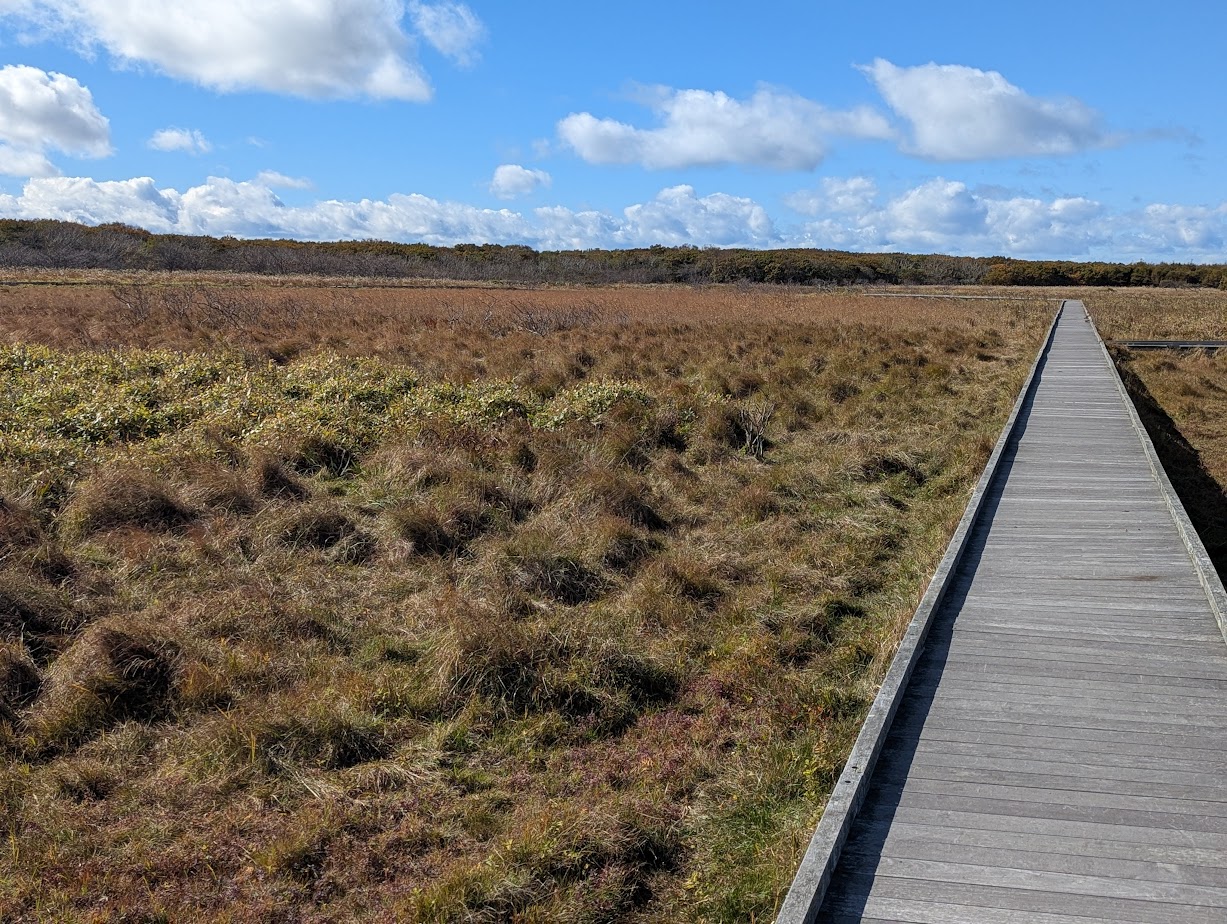
通りすがりの自分が、簡単に言えることではないのかもしれない。それでも、この景色が残ってほしいと思った。
釧路湿原を後にし、帯広へ向かうことも考えたが、この日は道の駅「摩周温泉」で車中泊をすることにした。
移動:道の駅阿寒丹頂の里-阿寒湖-釧路湿原周辺-道の駅摩周温泉
北海道篇 第22章:希望這片風景能留下來
在道之驛「阿寒丹頂之里」迎來了早晨。
釧路周邊也有道之驛設置了付費的車宿空間。我想,今後這樣的形式或許會越來越多。
這天我前往阿寒湖,沿著湖畔散步。望著平靜的湖面和四周的森林,慢慢走了一陣子。
離開阿寒湖後,我前往釧路濕原。從細岡展望台眺望濕原時,想起了調解等候室裡反覆播放的影像。
影像呈現的是冬日風景,看起來像是專業攝影師拍攝的。眼前的景色無論季節還是樣貌都不同,我並沒有立刻把兩者聯繫起來。不過,這片遼闊的濕原,仍有一種讓我想起那段影像的氛圍。
從留萌沿著 Ororon Line 開往稚內時,遼闊的景色讓我想像起美洲大陸。這次望著釧路濕原,我又想:「非洲的原野,會不會也是這種感覺?」
開車在周邊繞行時,看到了幾處步道。我決定下車走走。
在步道上看到了野生的鹿。在知床看見熊,在這裡看見鹿。有些景象,只是開車經過是看不到的。
望著濕原的景色,我想起了有關在周邊設置太陽能板的新聞。
我只是個過路的旅人,或許不能把事情說得太簡單。即便如此,我還是希望這片風景能留下來。
離開釧路濕原後,我也考慮過前往帶廣,但這天最後決定在道之驛「摩周溫泉」車宿。
路線:道之驛阿寒丹頂之里 → 阿寒湖 → 釧路濕原周邊 → 道之驛摩周溫泉
Hokkaido — Chapter 22: I Hope This Landscape Remains
I woke up at the Akan Tancho no Sato roadside station.
Some roadside stations around Kushiro had paid spaces for overnight stays in vehicles. I thought this arrangement might become more common.
That day, I headed to Lake Akan and walked along the shore. I spent a while strolling, looking at the quiet surface of the lake and the surrounding forest.
After leaving Lake Akan, I went to the Kushiro Wetland. Looking out over it from the Hosooka Observatory brought back memories of a video that had played repeatedly in the mediation waiting room.
The video showed a winter landscape and looked as though it had been filmed by a professional. The season and appearance were different from the view in front of me, so I did not immediately connect the two. Still, the broad wetland had an atmosphere that reminded me of those images.
On the Ororon Line from Rumoi to Wakkanai, the vast scenery had made me imagine the American continent. Looking over the Kushiro Wetland, I now wondered, “Would the African wilderness feel something like this?”
Driving around the area, I came across several walking trails. I decided to get out of the car and explore on foot.
I saw a wild deer along one of the trails. A bear in Shiretoko, and a deer here. There are things you miss if you only drive through.
As I looked at the wetland, I remembered news about plans to install solar panels in the surrounding area.
As someone just passing through, perhaps I could not speak about it so simply. Even so, I hoped this landscape would remain.
After leaving the Kushiro Wetland, I considered heading to Obihiro, but decided to spend the night in my car at the Mashu Onsen roadside station.
Route: Akan Tancho no Sato roadside station → Lake Akan → Kushiro Wetland area → Mashu Onsen roadside station
Hokkaido — Chapitre 22 : J’espère que ce paysage restera
Je me suis réveillé à l’aire routière « Akan Tancho no Sato ».
Certaines aires routières des environs de Kushiro proposaient des emplacements payants pour passer la nuit dans son véhicule. Je me suis dit que cette formule deviendrait peut-être plus courante.
Ce jour-là, je suis allé au lac Akan et j’ai marché le long de ses rives. J’ai flâné un moment en regardant la surface calme du lac et les forêts qui l’entouraient.
Après avoir quitté le lac Akan, je me suis dirigé vers les marais de Kushiro. En les contemplant depuis l’observatoire de Hosooka, je me suis souvenu d’une vidéo qui passait souvent dans la salle d’attente de la médiation.
La vidéo montrait un paysage hivernal et semblait avoir été réalisée par un professionnel. La saison et l’aspect du paysage devant moi étaient différents, et je n’ai pas fait immédiatement le rapprochement. Pourtant, l’étendue des marais avait une atmosphère qui me rappelait ces images.
Sur l’Ororon Line, entre Rumoi et Wakkanai, l’immensité du paysage m’avait fait imaginer le continent américain. Devant les marais de Kushiro, je me suis cette fois demandé : « Les grandes étendues sauvages d’Afrique donnent-elles une impression semblable ? »
En parcourant les environs en voiture, j’ai trouvé plusieurs sentiers. J’ai décidé de descendre et de marcher un peu.
Sur un sentier, j’ai aperçu un cerf sauvage. Un ours à Shiretoko, un cerf ici. Certaines choses échappent à ceux qui ne font que passer en voiture.
En contemplant les marais, je me suis souvenu des informations concernant l’installation de panneaux solaires dans les environs.
Je n’étais qu’un voyageur de passage et ne pouvais peut-être pas parler de cela aussi simplement. Malgré tout, j’espérais que ce paysage serait préservé.
Après avoir quitté les marais de Kushiro, j’ai envisagé de rejoindre Obihiro, mais j’ai finalement décidé de passer la nuit dans ma voiture à l’aire routière « Mashu Onsen ».
Itinéraire : Aire routière Akan Tancho no Sato → Lac Akan → Environs des marais de Kushiro → Aire routière Mashu Onsen
Hokkaido — Kapitel 22: Ich hoffe, diese Landschaft bleibt erhalten
Ich wachte an der Raststation „Akan Tancho no Sato“ auf.
Einige Raststationen in der Umgebung von Kushiro boten kostenpflichtige Stellplätze zum Übernachten im Fahrzeug an. Ich dachte, dass diese Form künftig wohl häufiger werden würde.
An diesem Tag fuhr ich zum Akan-See und ging am Ufer spazieren. Eine Weile schlenderte ich umher und betrachtete die ruhige Wasserfläche und den Wald ringsum.
Nach dem Akan-See fuhr ich zum Kushiro-Feuchtgebiet. Als ich von der Hosooka-Aussichtsplattform darüber blickte, erinnerte ich mich an ein Video, das im Warteraum der Schlichtung immer wieder gelaufen war.
Das Video zeigte eine Winterlandschaft und wirkte, als hätte es ein professioneller Kameramann aufgenommen. Die Jahreszeit und der Anblick vor mir waren anders, deshalb stellte ich nicht sofort eine Verbindung her. Doch die Weite des Feuchtgebiets hatte eine Atmosphäre, die mich an diese Bilder erinnerte.
Auf der Ororon Line von Rumoi nach Wakkanai hatte mich die Weite der Landschaft an den amerikanischen Kontinent denken lassen. Beim Blick über das Kushiro-Feuchtgebiet fragte ich mich nun: „Ob sich die Wildnis Afrikas wohl ähnlich anfühlt?“
Bei der Fahrt durch die Umgebung entdeckte ich mehrere Wanderwege. Ich beschloss, auszusteigen und ein Stück zu Fuß zu gehen.
Auf einem der Wege sah ich einen wilden Hirsch. In Shiretoko ein Bär, hier ein Hirsch. Wer nur mit dem Auto vorbeifährt, bekommt manches nicht zu sehen.
Beim Blick über das Feuchtgebiet erinnerte ich mich an Nachrichten über die Installation von Solaranlagen in der Umgebung.
Als jemand, der nur auf der Durchreise war, konnte ich darüber vielleicht nicht so einfach urteilen. Trotzdem hoffte ich, dass diese Landschaft erhalten bleibt.
Nachdem ich das Kushiro-Feuchtgebiet verlassen hatte, überlegte ich, nach Obihiro zu fahren. Für diese Nacht entschied ich mich jedoch, an der Raststation „Mashu Onsen“ im Auto zu schlafen.
Route: Raststation Akan Tancho no Sato → Akan-See → Umgebung des Kushiro-Feuchtgebiets → Raststation Mashu Onsen